Roy Kidd
College Football Hall of Fame Coach and Former Redhound
First-Team All-State Football, 1949
- First-Team All-State Football, 1949
- Three-sport athlete at Corbin High School
- Corbin High School Class of 1950
- Played football, basketball and baseball at Corbin High School
- Played alongside Frank Selvy on the Corbin basketball team
- Four-year football letterman at Eastern Kentucky
- Four-year baseball letterman at Eastern Kentucky
- All-Ohio Valley Conference quarterback at Eastern Kentucky
- Little All-American quarterback, 1953
- Head Football Coach at Eastern Kentucky, 1964 to 2002
- NCAA Division I-AA National Champion, 1979
- NCAA Division I-AA National Champion, 1982
- NCAA Division I-AA National Runner-Up, 1980
- NCAA Division I-AA National Runner-Up, 1981
- 16 Ohio Valley Conference Championships
- 314 official career victories as Eastern Kentucky head coach
- Two-time NCAA Division I-AA National Coach of the Year
- 10-time Ohio Valley Conference Coach of the Year
- College Football Hall of Fame inductee, 2003
- Eastern Kentucky Athletics Hall of Fame inductee
- Ohio Valley Conference Hall of Fame inductee
- Kentucky Athletic Hall of Fame inductee
- Roy Kidd Stadium at Eastern Kentucky named in his honor
- Kentucky high school football's Roy Kidd Award named in his honor
- Roy Kidd Avenue in Corbin named in his honor
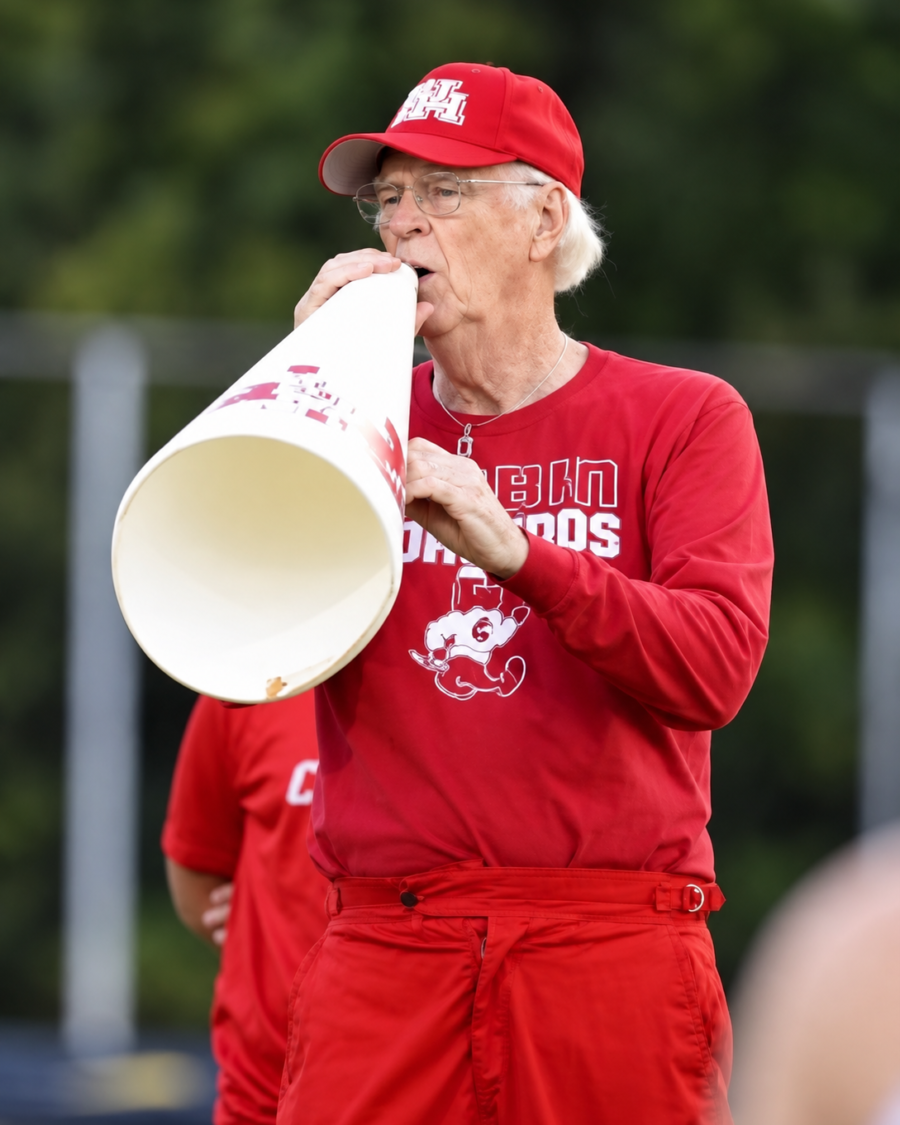
Long before Roy Kidd became one of the most successful coaches in college football history, before the national championships, before a stadium carried his name and before his induction into the College Football Hall of Fame, he was a Corbin Redhound.
That part of Kidd’s story can sometimes be overshadowed by everything that came later. His career at Eastern Kentucky University became so successful, and his name became so closely associated with the Colonels, that it is easy to forget where the foundation was built. Kidd was born in Corbin, grew up in Corbin and developed into one of the best high school athletes in Kentucky while wearing Corbin colors. The toughness, competitiveness and versatility that later defined his life in athletics were already evident before he ever left home.
For CorbinRedhounds.com, Roy Kidd belongs in the history of the program not simply because he became famous elsewhere. He belongs because he was one of Corbin’s own, a standout Redhound athlete who carried the lessons of his hometown into a coaching career that eventually placed him among the most respected figures in the history of college football.
A Corbin Athlete Before He Was Coach Kidd
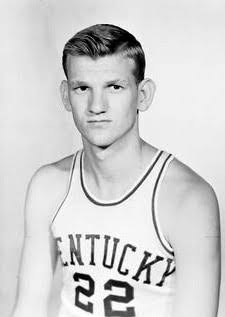
Roy Lee Kidd was born in Corbin on December 4, 1931, and became an outstanding multi-sport athlete at Corbin High School. He starred in football, basketball and baseball, demonstrating the kind of versatility that was common in an era when the best athletes in a school often moved directly from one season into the next. On the basketball floor, he played alongside another future nationally known athlete, Frank Selvy.
Football, however, became the sport most closely associated with Kidd’s name. By the end of the 1949 season, he had established himself as one of the best high school football players in Kentucky and earned first-team All-State recognition. He graduated from Corbin in 1950 with the kind of athletic résumé that created opportunities at the college level.
One of those opportunities came from the University of Kentucky and legendary coach Paul “Bear” Bryant. Kidd later recalled that Bryant wanted him to play football for the Wildcats, but Kidd also wanted to continue playing baseball. Eastern Kentucky offered him the opportunity to do both, and that decision changed the direction of his life.
Instead of Lexington, the Corbin Redhound headed to Richmond.
Becoming a Star at Eastern Kentucky
Kidd arrived at Eastern Kentucky State College in 1950 and developed into an outstanding quarterback. He earned four varsity letters in football and four more in baseball, establishing himself as one of the school’s top athletes. At quarterback, he earned All-Ohio Valley Conference recognition and received Little All-America honors in 1953, placing him among the top small-college football players in the country.
His baseball career was equally impressive. Kidd played center field and hit better than .300 in each of his four seasons. The decision to attend Eastern so he could continue playing two sports had worked exactly as he hoped, but it also placed him at the school that would eventually become the center of his professional life.
After his playing career ended, Kidd served as a student assistant on Eastern’s 1954 football team. That team went undefeated during the regular season, won the Ohio Valley Conference and narrowly lost 7-6 to Omaha in the Tangerine Bowl. The experience gave Kidd an early look at coaching from the other side of the sideline and helped point him toward the career that would ultimately define him.
Learning to Lead
Kidd’s rise to coaching prominence did not happen overnight. Before returning to Eastern as a head coach, he spent years developing his craft at the high school level. He coached in Madison County and built an exceptional record, compiling 54 victories with only 10 losses and one tie during his high school head-coaching career.
Those years were important because they allowed Kidd to establish the standards that would later become associated with his college teams. He demanded preparation, discipline and effort. Players and assistants who worked under him later described him as demanding but fair, a coach who expected things to be done correctly and who made it clear where players stood.
After serving as an assistant at Morehead State and later returning to Eastern Kentucky as an assistant, Kidd was offered the head coaching job at his alma mater before the 1964 season. He accepted, beginning one of the longest and most successful coaching tenures in college football history.
Building a National Power
Kidd coached Eastern Kentucky from 1964 through 2002, a 39-year run that transformed the Colonels into one of the dominant programs in what became NCAA Division I-AA football.
The championships began at the conference level. Kidd won his first Ohio Valley Conference title in 1967 and eventually accumulated 16 conference championships. When the NCAA created Division I-AA in the late 1970s, Eastern Kentucky emerged as one of the division’s national powers.
In 1979, Kidd led Eastern Kentucky to the Division I-AA national championship. The Colonels returned to the championship game in both 1980 and 1981 but finished as national runners-up. Rather than fading after those losses, Kidd’s program returned to the title game again in 1982 and completed a perfect 13-0 season by defeating Delaware to claim its second national championship.
That four-year stretch alone would have secured Kidd’s reputation as one of the great coaches at the Division I-AA level, but his career continued for another two decades. Eastern remained consistently competitive, reaching the postseason repeatedly and continuing to contend for Ohio Valley Conference championships. Kidd’s teams became known for winning football and remarkable year-to-year stability.
By the time he retired after the 2002 season, Kidd had recorded 314 official victories at Eastern Kentucky. His teams had produced 37 non-losing seasons, including a streak of 25 consecutive winning seasons. He coached 55 All-Americans, more than 200 first-team All-Ohio Valley Conference selections and dozens of players who later signed professional football contracts.
A Coach Players Believed In
Statistics explain part of Roy Kidd’s greatness, but they do not explain all of it.
Players who competed for him often spoke about the standards he established and the confidence he created. Former players remembered Kidd as detail-oriented, demanding and completely committed to preparation. They also remembered that when Kidd told his team something, they believed him.
That trust became part of the identity of Eastern Kentucky football. Kidd expected players to practice hard, prepare correctly and accept responsibility. His teams developed a reputation for discipline, physical football and toughness, qualities that would have been familiar to anyone who understood the kind of football culture he grew up around in Corbin.
His success was not built around one great team or one generation of players. Kidd maintained his program through decades of changes in college football, recruiting, scholarship limits and postseason formats. Assistants came and went. Players graduated. Opponents changed. The standard remained.
Recognition Among the Greats
Kidd’s career eventually earned recognition far beyond Eastern Kentucky and the Ohio Valley Conference.
He was named the NCAA Division I-AA National Coach of the Year twice and earned Ohio Valley Conference Coach of the Year honors 10 times. He later served as president of the American Football Coaches Association and received the organization’s Amos Alonzo Stagg Award, one of the most distinguished honors in coaching.
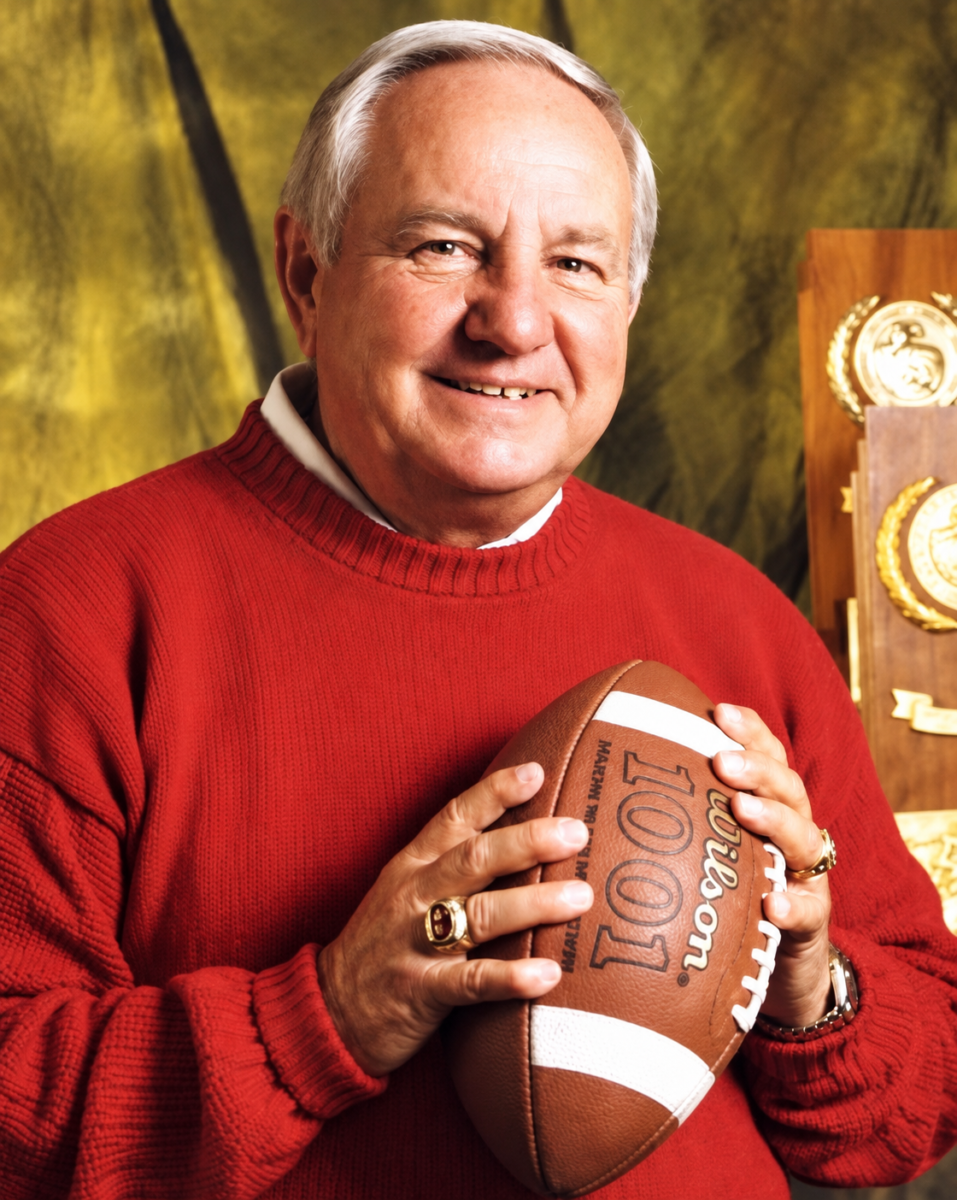
In 2003, Roy Kidd was inducted into the College Football Hall of Fame.
The honor placed the former Corbin High School athlete among the most accomplished coaches in the history of the sport. By the end of his career, his victory total ranked among the highest ever recorded at the Division I-AA level.
Eastern Kentucky eventually named its football stadium Roy Kidd Stadium, ensuring that his name would remain permanently connected to the program he helped build. A statue of Kidd also stands at the facility, and the roadway near the stadium was renamed Roy and Sue Kidd Way. Corbin also honored its hometown football legend by naming a street near the high school football stadium in his honor.
Perhaps one of the most fitting honors came at the high school level. Kentucky’s top individual high school football award is named the Roy Kidd Award, ensuring that each year one of the state’s best young football players receives an honor carrying the name of a man whose own football journey began as a Kentucky high school athlete.
Never Far From Corbin
Kidd’s career took him away from Corbin, but Corbin never disappeared from his story.
When people told the story of Roy Kidd, they almost always began in the same place. He was a Corbin native, a former Redhound and one of the town’s most accomplished athletes.
That mattered.
Before there were two national championships, there was a young athlete playing football, basketball and baseball for Corbin High School. Before there were hundreds of coaching victories, there was an All-State Redhound earning the attention of college recruiters. Before a stadium carried his name in Richmond, there was a player learning how to compete in his hometown.
His greatest achievements eventually belonged to Eastern Kentucky University, the Ohio Valley Conference and college football as a whole, but the beginning belonged to Corbin.
That connection remained visible through the honors that followed him. Eastern Kentucky built monuments to its legendary coach. Corbin honored its hometown star. Kentucky placed his name on an award given to the state’s best high school football player. Each of those honors recognized a different part of the same journey.
A Redhound Legacy That Reached Far Beyond Corbin
There are many ways for a former high school athlete to become part of a program’s history. Some are remembered for championship seasons. Others are remembered for records, unforgettable plays or performances that become stories passed down through generations.
Roy Kidd’s path was different.
He left Corbin and became one of the most successful football coaches Kentucky has ever produced. His accomplishments reached the national level, yet the foundation of that career can still be traced back to the years when he wore a Corbin uniform.
That is why Kidd belongs prominently in the Redhound story.
He was not simply a famous coach who happened to have been born in Corbin. He was a Redhound athlete before he became Coach Kidd. He represented Corbin at the highest level of Kentucky high school football, went on to become a collegiate standout and ultimately built a football program that became nationally respected.
Roy Kidd spent nearly four decades teaching players about preparation, discipline, toughness and winning. Those qualities became synonymous with Eastern Kentucky football under his leadership, but they were qualities he had been developing long before anyone called him Coach.
They began with a young man from Corbin, a three-sport Redhound and an All-State football player who would eventually become a College Football Hall of Famer.